In 2026, the Environmental, Social, and Governance (ESG) consulting market is projected to grow to $13.56 billion.
This data shows us how important the ESG consulting market is becoming every single day. ESG (Environmental, Social and Governance) framework is a set of standards for how a company operates in regard to the planet and its people.
On the other hand, ESG consulting firms help businesses understand their environmental, social, and governance aspects. But often, ESG consulting firms struggle to get clients due to factors like improper marketing.
To secure clients through Google, ESG firms must focus on high intent, technical and data driven search strategies, EEAT content strategy and alignment with regulations like CSRD and SEC rules etc.
SEO Circular works with B2B consulting firms including ESG consulting firms to build enterprise grade SEO strategies that turn organic search into a predictable client pipeline. If that is what your firm needs then book a strategy call and we will reach out to you.
Want ESG Consultants Rank, Grow & Convert?
We help ESG consulting firms increase visibility, attract high-intent clients, and turn Google search traffic into real business opportunities through enterprise SEO, GEO, and content-driven growth strategies.
Book ESG SEO Strategy Call
Key Takeaways
1) Most ESG consulting websites are not optimized, which makes this an early-mover opportunity for firms that act before their competitors do.
2) Keyword research must reflect how clients describe their problems, not how consultants describe their services.
3) Each core service needs its own dedicated, keyword-focused page rather than being grouped under a single generic services section.
4) Consistent content publishing on regulatory topics and industry-specific challenges is the fastest path to building topical authority in the ESG space.
5) A small number of high-quality backlinks from relevant ESG publications and industry associations will outperform hundreds of generic links in a niche consulting market.
What is ESG?
ESG means Environmental, Social, and Governance. It is a framework used by investors and businesses to acknowledge a company’s sustainability, ethical impact and risk management practices beyond traditional financial metrics. It also helps in evaluating how a company protects the planet, manages relationships, and governs itself. ESG is important because it is a set of standards for how a company operates in regard to the planet and it’s people.
Three Pillars Of ESG
1) Environmental
Focuses on the impact a certain company is doing on the planet. It also includes things like climate change, energy efficiency, carbon emissions and biodiversity.
2) Social
This aspect addresses how a company manages relationships with employees, suppliers, customers and communities covering labor practices, diversity, health safety and human rights.
3) Governance
Governance relates to a company’s leadership, internal audits, shareholder rights, and transparency ensuring accountability and ethical behavior.
These three pillars are essential to modern corporate strategy, helping to mitigate risks like regulatory penalties and reputational damage.
Strategies That Help ESG Consulting Firms To Get Clients Through Google
Let’s dive right into the strategies that can actually help ESG consulting firms in getting clients sooner and expanding their overall business.
Start With An Audit
Begin with SEO audit by analyzing what your ESG business website is lacking at the moment and identify those errors in order to work on them later. Look for errors and fixes in your website’s technical side along with on-page, off -page SEO to identify issues that are currently present.
High Value keywords For ESG Firms to target in 2026
High value keywords For ESG Firms to target in 2026
- “ESG reporting consultant” paired with your city, region and industry focus.
- “CSRD compliance consultant” which is seeing a sharp rise in searches due to new European regulations.
- “Sustainability consulting for (industry type)” such as real estate, logistics or manufacturing.
- “ESG due diligence services” for firms serving private equity or investment clients.
- “Net zero strategy consultant” for firms working on emissions and decarbonization goals.
The principle is simple. Match what your firm actually does to the exact language your clients use when they need it.
| SEO Area | Purpose | Business Impact |
|---|---|---|
| Technical SEO | Improve crawlability and site performance | Better Google rankings |
| Content Marketing | Build topical authority | More inbound leads |
| Local SEO | Rank in city-based searches | Regional client acquisition |
| GEO Optimization | Improve AI visibility | AI-generated mentions |
| Digital PR | Build authority and backlinks | Trust + higher rankings |
| Paid Search | Generate immediate leads | Faster pipeline growth |
On-Page SEO Basics That ESG Firms are getting wrong
On page SEO is about making each page on your site immediately clear to both Google and a first time visitor. For most ESG consulting websites, fixing this alone moves the table before anything else in the room.
Your homepage should answer three questions in the first two paragraphs:
- Who you help?
- What you help them with?
- Where you work?
Most ESG homepages lead with mission statements and values which tells Google very little about what the page is actually for.
Each core service on the website deserves it’s own dedicated page. Do not group ESG strategy, sustainability reporting, carbon reporting, carbon accounting and stakeholder engagement onto one generic services page. Each service page gets it’s own heading structure and it’s own explanation of who the service is for and what it involves.
Key Things To Check On Every Important Page:
- The page title should include the primary keyword near the front, for example “ESG Reporting Consultant For UK Businesses.”
- The meta description should summarize the page clearly and include a natural call to action.
- Headings should use H2 and H3 structure with keywords appearing naturally.
- Every page should link internally to at least one related service or piece of content.
- A clear contact option should appear on every service page, not just the contact page.
Helpful Resources for ESG Firms: Sell Carbon Credits & Make Money
Off Page
Off page SEO is everything that happens outside your own website that signals to Google your firm is credible, relevant and worth ranking. For ESG consulting firms this goes well beyond just getting backlinks.
The most important off-page signals to build in 2026:
Digital PR And Media Mentions
Getting your own firm or your consultants quoted in ESG publications, sustainability trade magazines or mainstream business media sends strong authority signals to Google even when the mention does not include a direct link. Unlinked brand mentions still contribute to how Google perceives your firm’s reputation.
Speaking engagement and event listings
When your firm presents at an ESG conference sustainability summit or industry webinar, event pages almost always link back to your website. These are highly relevant, editorially earned links that carry real weight.
Podcast Appearances
Sustainability and business podcasts regularly feature consulting experts. A guest appearance typically includes a link in the show notes and reaches an audience of exactly the decision makers you want to attract.
Client Reviews On Google Business Profile
Reviews are an off-page trust signal that directly influences local search rankings. Firms with consistent, detailed reviews from real clients rank higher in local ESG-related searches than firms with none.
Association And Directory Listings
Membership pages of ESG bodies, sustainability networks and professional associations pass genuine relevance signals because Google already trusts these domains.
Community Contributions
Thoughtful contributions to ESG forums, LinkedIn groups and sustainability communities build brand citations and drive branded searches over time. When people search your firm’s name directly then Google reads that as a authority signal.
Content Strategy For ESG Firms
Google rewards websites that demonstrate consistent, genuine expertise on a topic over time. But in 2026, it is not about publishing regularly.
Google uses a framework called E-E-A-T which stands for Experiences, Expertise, Authoritativeness and Trustworthiness. For ESG consulting firms, this framework matters more than in most industries because Google treats regulatory and sustainability content with higher scrutiny.
What E-E-A-T Means Practically For Your ESG Firm?
Every piece of content should have a named author with a proper bio that lists their ESG credentials, years of experience and a link to their LinkedIn profile. Generic “admin” authored content signals nothing to Google. Cite real sources. Reference government regulations, official reporting frameworks like TCFD and CSRD and credible third party data. This tells Google that content is based on facts and is grounded not an opinion.
Avoid thin content that gives surface level answers. A 400 words blog on “what is ESG” written without depth will hurt your authority more than help it. Publish original insights where possible. Survey data related to property, client outcomes trends or your firm’s own framework for approaching ESG strategy earns both the trust and backlinks naturally.
The content Types That Work Best For ESG Firms in 2026
Explainers
Regulatory explainers covering frameworks like CSRD, TCFD, and SEC climate disclosure rules. Finance, legal and operations teams across industries are searching for these topics in large numbers. A clear, practical explainer on each one written by a name ESC professional position your firm as the expert they eventually hire.
Guides
Industry specific guides that speak directly to a segment of your ideal client. A piece like “ESG Compliance Checklist For Real Estate Developers” or “How Logistics Companies Can Prepare for Scope 3 Reporting” ranks faster because competition is lower and the reader feels it was written specifically for them.
Discover More Growth Strategies: Carbon Trading Platforms Model & Revenue Streams
Case Based Content Or Case Studies
Case based content written without naming clients where confidentiality is needed. Describe the type of problem, your approach and the outcome. This builds trust with readers and reinforces your E-E-A-T signals with Google at the same time.
One thing most ESG firms miss
Publishing two blogs and waiting does not work. Firms that publish consistently even once or twice a month build a compounding advantage. Every piece you add makes your existing content stronger, and your competitors fall behind.
Paid Search for ESG Consulting Firms
Paid search means running ads on Google so that your firm appears at the top of search results immediately for keywords your ideal clients are already searching for.
For ESG consulting firms it works like this. You bid on high-intent keywords like “ESG strategy consultant” or “CSRD compliance services”, and your ad appears above organic results when someone searches those terms. You pay only when someone clicks.
It is the fastest way to get in front of decision makers while your organic SEO is still getting structured in the background. Instead of waiting six months to rank organically for a competitive keyword, a paid campaign puts you there from day one.
The most effective way ESG firms use paid search is to run targeted campaigns around their highest-value services, test which messaging drives the most enquiries and then use those learnings to strengthen their organic content and service pages at the same time.
Used this way, paid search and SEO work together rather than compete for the same budget.
Estimate the SEO budget required to grow your ESG consulting firm through Google, AI search optimization, and enterprise SEO strategies.
Local SEO
If your firm serves clients in a specific country, region or city, local SEO matters more than most ESG consulting firms realize.
Start with your Google Business Profile. Even if your work primarily remotely or nationally, a complete and accurate profile increases visibility for searches like “ESG consultant in London”, “sustainability consulting firm near me”, or “carbon credit consulting company“. Your profile should clearly list your services, include a keyword-informed description, and have a handful of genuine client reviews.
International SEO For ESG Consulting Firms
If your firm works with clients across multiple countries, then international SEO ensures that Google shows the right version of your website to the right audience in the right location.
For ESG consulting firms, this matters because regulations vary significantly by region. A client in the URL searching “TCFD reporting consultant” and a client needs to understand your firm serves both.
Key Points To Know
- Use hreflang tags to tell Google which pages are meant for which country and language. Without this, Google may show the wrong page to the wrong audience.
- Create region-specific service pages where relevant , for example a dedicated page for ESG consulting in the EU versus the UK versus the US.
- Target region specific regulatory keywords because ESG compliance requirements differ by geography and so do the search terms clients use.
- Build backlinks from publications and associations in each target market, not just your home country.
Technical Fix
You need to have these technical fixes in your website in order to provide better user experience and overall optimization. Consider these important factors while doing technical fix of your website:
- Your website should load in under three seconds on mobile. Google measures this directly and it affects your ranking.
- Every important page should be indexable, meaning Google can find and read it properly.
- Check Google Search Console for any crawl errors or blocked pages.
- Your site should run on HTTPS. Without it, browsers warn visitors and Google treats the site as less trustworthy.
- Your site structure should be clean with each services reachable within two clicks from the homepage.
Building Backlinks Without a Big Budget
Backlinks from other websites pointing to yours remain one of Google’s strongest ranking signals. For ESG consulting firms, this is more achievable than it sounds because the ESG space has a strong ecosystem of publications, associations, and professional networks.
Practical ways ESG firms earn relevant backlinks in 2026:
- Guest articles in ESG-focused publications and sustainability trade magazines. Many actively seek practitioner contributions, and a byline usually includes a link to your website.
- Directory and association listings through ESG industry bodies, sustainability network hubs, and professional association member pages. These are often free, quick to get, and carry genuine relevance.
- Expert source contributions on platforms where journalists look for quotes from subject matter experts. A quote in a relevant article often comes with a backlink and adds credibility beyond SEO value alone.
- One or two linkable assets such as a downloadable ESG framework comparison, a reporting checklist, or a glossary of sustainability acronyms. Reference-style resources attract links passively over time without ongoing effort.
- Partnerships with complementary service providers like law firms, audit companies, or investor relations consultancies. Firms serving similar clients often share audiences and a mutual mention or resource link benefits both sides.
In a niche like ESG consulting, fifteen to twenty highly relevant backlinks can outperform hundreds of generic ones. Quality and relevance matter far more than volume.
GEO for ESG Consulting Firms
GEO stands for Generative Engine Optimization. It is the practice of optimizing your content so that AI-powered tools like ChatGPT, Google AI Overviews, and Perplexity mention and recommend your firm when someone asks them a question related to ESG consulting.
In 2026, a growing number of ESG decision makers are skipping traditional search and asking AI tools directly. Questions like “which ESG consulting firms specialize in CSRD compliance” or “best sustainability consultants for manufacturing companies” are being answered by AI, not just Google. If your firm is not optimized for this, you are invisible to an increasingly large segment of your target audience.
Key points to know:
- Structure your content in a clear question and answer format. AI tools pull answers from content that directly addresses specific questions, so writing in this format increases the chance of being cited.
- Build topical authority across the full ESG subject area. AI engines favor sources that cover a topic comprehensively, not firms with one or two pages on the subject.
- Earn mentions from credible third party sources. AI tools are more likely to recommend firms that are referenced by trusted publications, associations, and industry bodies.
- Keep your firm’s information consistent across all platforms. Your website, LinkedIn, directories, and media mentions should all describe your services in the same clear language so AI tools can confidently surface your firm as a relevant answer.
Build Long-Term Visibility Before Competitors Catch Up
The ESG consulting market is becoming more competitive every year, and firms that invest in SEO, GEO, AI search optimization, and authority building today will dominate search visibility tomorrow. From technical SEO and ESG content strategy to digital PR and enterprise SEO execution, SEO Circular helps consulting firms turn Google into a scalable client acquisition channel.
→ Get Custom ESG SEO RoadmapConclusion
Getting clients through Google in 2026 comes down to showing up clearly and credibly when the right person is searching. Most ESG consulting firms have not done the foundational work, which means there is still a real opportunity for firms that act now.
Fix your service pages, get the keyword targeting right, publish content consistently, resolve any technical issues, and build backlinks from sources your clients already trust. Each of these compounds over time. Firms that start this process today will be the ones competitors are trying to catch up with by 2027.
Top Questions About ESG Lead Generation
Most firms see meaningful ranking movement between three and six months, with results compounding strongly through the twelve-month mark.
Firms with a regional or country-specific client base should prioritize local SEO first, then expand to broader terms as authority builds.
Google treats ESG and sustainability content under its expertise and trustworthiness guidelines, which means demonstrating real credentials and consistent quality matters more than in general industries.
Service pages are important, but blog content helps ESG consulting firms build topical authority and rank for more competitive Google searches. Educational articles also attract decision-makers researching ESG compliance, reporting, and sustainability solutions, helping generate qualified leads organically.
In-house works well once a firm has a clear strategy in place. An experienced agency typically builds the foundation faster and avoids the trial-and-error phase that costs early-stage SEO programs months of progress.
Today, YouTube is no longer just a platform for part-time creators, freelancers, or side gigs. It has evolved into a full-scale business model and, for many, a primary source of income. From independent creators to large production houses, YouTube is now replacing traditional media channels and becoming a core engine for both entertainment and business growth. Entire industries—from education and finance to lifestyle and digital products—are now being built and scaled through YouTube.
If you are planning to start something around content, media, or audience-driven business, then you are already stepping into one of the fastest-growing and most profitable digital spaces. But let’s be clear—starting a YouTube channel is easy, growing it is not. Just like any other business, YouTube also requires strategy, consistency, and most importantly, strong SEO to succeed.
At SEO Circular, we have worked closely with multiple YouTube channels across different industries, helping them grow visibility, increase watch time, and generate real revenue. Based on our hands-on experience, we understand what actually works on YouTube and what doesn’t.
In this blog, I will break down how you can start a YouTube channel the right way and apply the best YouTube SEO practices to build long-term growth and consistent results.
Key Takeaways
- YouTube SEO helps videos rank higher in search results and appear in recommended feeds, increasing visibility and views on YouTube.
- With 500+ hours of video uploaded every minute, proper optimization is essential to stand out.
- The algorithm focuses on watch time, audience retention, CTR (click-through rate), and viewer engagement.
- Optimized titles, descriptions, tags, thumbnails, and captions help YouTube understand and rank your content accurately.
- Keyword research helps target topics that users are actively searching for.
- Strong thumbnails and compelling titles improve click-through rates and overall performance.
- Engaging videos with a strong introduction increase watch time and viewer retention.
- Encouraging likes, comments, and shares sends positive signals to the algorithm.
- Consistent posting within a niche builds channel authority and long-term growth.
- The future of YouTube SEO will rely more on AI-driven recommendations, personalization, and audience behavior signals.
Turn Your YouTube Channel Into a Growth Engine
Get expert-driven SEO strategies from SEO Circular Enterprise SEO Agency and start ranking, growing, and monetizing faster.
Book Your Free Consultation TodayImportance Of YouTube SEO
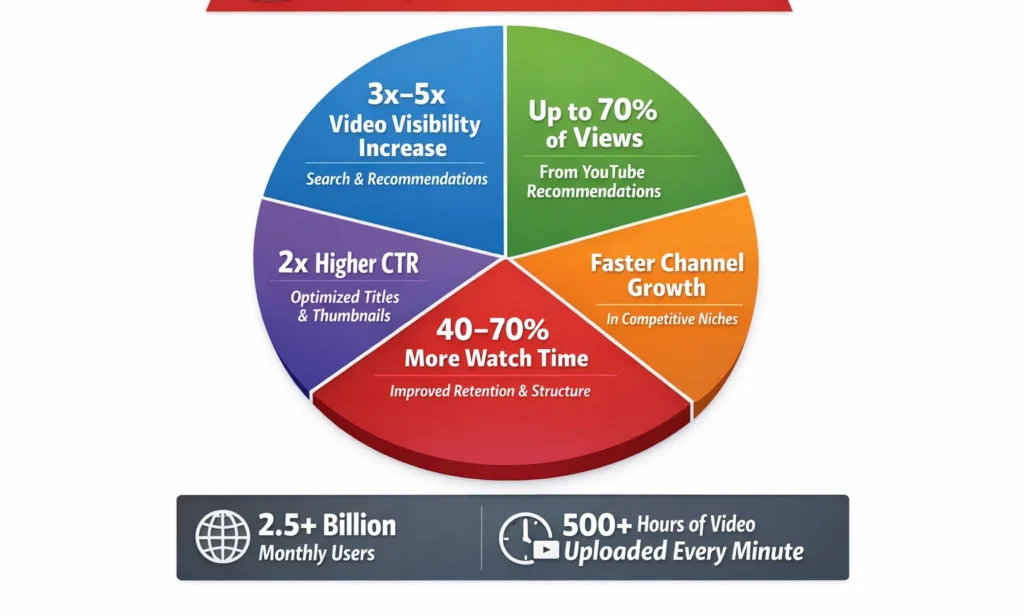
With the right YouTube SEO strategy, you can directly impact growth numbers:
- 3x–5x increase in video visibility through search + recommendations
- 2x higher click-through rate (CTR) with optimized titles & thumbnails
- 40–70% more watch time by improving retention and content structure
- Up to 70% of views can come from YouTube recommendations alone
- Faster channel growth in competitive niches with proper keyword targeting
YouTube currently has 2.5+ billion monthly users, with 500+ hours of video uploaded every minute. Without SEO, your content gets lost. With SEO, your videos get discovered, recommended, and scaled.
Breaking Down The YouTube Algorithm In 2026
| Factor | What It Means | Why It Matters | Optimization Tips |
|---|---|---|---|
| Click-Through Rate (CTR) | Percentage of people who click your video after seeing the thumbnail | High CTR signals strong interest | Use compelling thumbnails, strong titles, and curiosity-driven hooks |
| Watch Time | Total time viewers spend watching your video | Core ranking factor for YouTube | Create engaging content and keep viewers watching longer |
| Audience Retention | How much of your video people watch | Shows content quality and engagement | Use strong hooks in first 10 seconds and avoid drop-offs |
| Engagement (Likes, Comments, Shares) | User interactions with your video | Indicates value and relevance | Ask questions, encourage comments and shares |
| Session Time | Time a user stays on YouTube after watching your video | Boosts platform engagement | Create playlists and suggest related videos |
| Video Consistency | How often you upload content | Builds audience trust and algorithm favor | Maintain a regular posting schedule |
| Content Relevance | How well your video matches search intent | Helps YouTube rank your content correctly | Use proper keywords, tags, and descriptions |
| Channel Authority | Overall performance and trust of your channel | Strong channels rank faster | Focus on niche content and consistent quality |
| Personalization | Content shown based on user behavior | Drives individual recommendations | Target specific audience interests |
| Shorts & New Formats | Impact of YouTube Shorts and emerging formats | Expands reach and discovery | Use Shorts strategically to drive traffic to long videos |
The algorithm of YouTube has changed a lot over the years turning its focus from simple metrics like views to deeper indicators of viewer satisfaction and engagement. In 2026 the recommendation system of the platform is designed to analyse a large variety of signals to decide which videos should appear in search results, suggested videos and the homepage feed. The main goal is to show viewers the content that they are most likely to watch and enjoy.
One of the most important things that the algorithm looks at is metadata. In metadata we include things like video titles, descriptions and tags. Such type of elements in metadata help YouTube understand what the specific video is about and allow the platform to categorize it accurately. When creators use related and relevant keywords in their titles and also in descriptions then it becomes easier for the algorithm to match and relate the content with users searching for those topics. Captions and subtitles also play a major role also. They provide YouTube with additional context about the spoken content in a video also improving discoverability in both search and recommendations.
However metadata only is not enough. The algorithm of YouTube depends heavily on viewer engagement signals to know the quality and relevance of a video. Specific Metrics like watch time, audience retention, click-through rate (CTR), likes, comments and shares help the platform understand how viewers respond and interact with the content. For example, if viewers click on a video and watch a big part without leaving or skipping then the algorithm sees this as a strong sign that the content is valuable and worth recommending to more people.
User behaviour is another factor which is impossible to ignore. YouTube notices how viewers interact with videos on the platform. This also means including what they want to watch, how long they stay, what they skip and what they choose to watch next in content. These behavioural signals and signs help the recommendation system of the platform create personalized viewing experiences. If someone watches content about a specific topic then the algorithm will start suggesting more videos related to that interest. The platform also considers broader performance signals. If a video does well with a small group of viewers initially, generating good watch time, engagement and retention then it may be gradually shown to larger audience. This testing process helps YouTube decides whether the content deserves wider distribution or not.
The YouTube algorithm is no longer just about ranking videos for keywords in 2026. It focuses on understanding viewer satisfaction. Videos that keep audiences engaged, encourage interaction and align with viewer interests are much more likely to be recommended suggested. For creators this means that the successful growth on YouTube depends on a mix of strong metadata, engaging content and positive audience signals that show real value to viewers related to the overall content.
Key Ranking Factors That Influence YouTube SEO
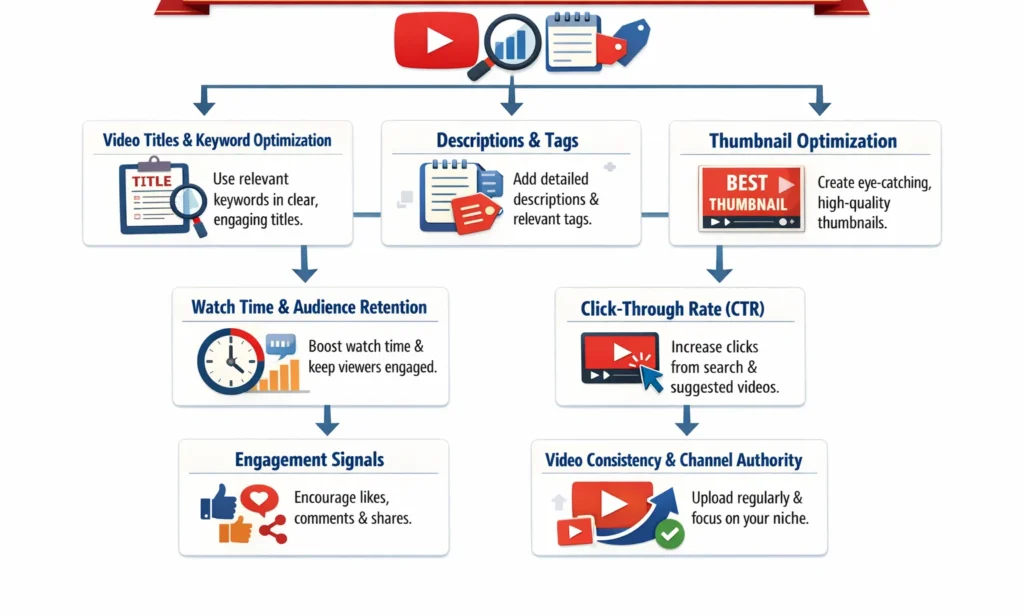
1) Video Titles and Keyword Optimization
Video titles are mainly for YouTube SEO. They help both viewers and the platform to actually understand the content of the video. By using relevant and related keywords in the title, it increases the chances of showing up in search results when users search for related topics. However the titles should not be overloaded with keywords. The best titles are clear, descriptive and naturally add the main keyword while leading viewers to click on the video.
2) Descriptions and Tags
Descriptions and tags give extra context to the platform which helps YouTube categorize and index a video. A well-written description explains what the video is about and can also add relevant keywords that support the topic including the niche. Through tags, YouTube understand related topics and improve the chances of the video appearing in search results or suggested videos along with similar content.
3) Thumbnail Optimization
Thumbnails also affect whether viewers click on a video majorly. A clear and visually enhanced thumbnail can highly boost click-through rate of the video. Thumbnails that use high contrast, readable text and expressive visuals are more likely to show in search results and recommendation feeds.
4) Watch Time and Audience Retention
Watch time notices how long viewers watch a video, while audience retention shows what percentage of the video viewers see. Videos that keep viewers engaged longer give signals to YouTube that the content is valuable. High watch time and strong retention usually improve the chances of a video being recommended to a larger audience.
5) Click-Through Rate (CTR)
Click-through rate shows how often viewers click on a video after seeing it in search results, on the homepage or in suggested video sections. A higher CTR shows that the title of the video and thumbnail appeal to viewers. When a video consistently attracts clicks, YouTube will promote it more often within its system recommendation.
6) Engagement Signals (Likes, Comments, Shares)
Engagement signals help YouTube see if the viewers are interacting with a video or not. Likes, comments and shares signal that the audience finds the content interesting. Videos that generate strong engagement often gain more visibility because the platform views these interactions as positive feedback from the viewers.
7) Video Consistency and Channel Authority
Consistency in uploading content affects the growth of the channel. Channels that regularly publish videos around a specific topic are more likely to build stronger authority in that niche. Over time YouTube becomes more confident in recommending content from channels that consistently produce relevant and engaging videos for targeted audience based on the specific niche.
Best YouTube SEO Practices For Ranking In 2026
Conducting YouTube Keyword Research
Keyword research matters a lot in YouTube SEO. It helps in understanding what the viewers are actively searching or watching on YouTube. Instead of choosing topics randomly through search behaviour creators can find subjects that are already on demand. One simple way to discover such keywords is by typing a topic into the YouTube search bar and then observing the auto suggested queries. These suggestions come directly from real user searches which makes them important indicators of what people want to watch.
Creators can analyse high performing videos in their niche to see what type of keywords appear in the titles, descriptions and tags. Choosing the suitable keywords make sure that the video matches with the intent of the audience and increases the chances of appearing in YouTube search results.
Optimizing Video Metadata
Metadata talks about the information attached to a video that helps YouTube understand its content. The most important metadata elements include titles, descriptions and tags. When these elements are optimized in a proper way then the algorithm can categorize the video more accurately and show it to the target audience.
The title should clearly explain what the video is about while naturally including the main keyword. Descriptions should also expand on the topic by summarizing what viewers will learn or see in the video. Tags provide additional context and help YouTube connect the video with related content all over the platform. Well-structured metadata improves discoverability and increases the chances of appearing in both search results and recommended videos.
Creating Engaging Thumbnails
Thumbnails play an important role in attracting viewers. While scrolling through search results or recommended videos, the thumbnail is often the first thing that they notice. A well-designed thumbnail can make the difference between a viewer clicking on a video or ignoring it.
Effective thumbnails are visually clear and relevant to the content. They often add bold visuals, strong contrast and easy to read text. The goal is to create a thumbnail that stands out while still accurately representing what the video is about. When thumbnails capture attention they can significantly improve the click through rate of the video.
Structuring Video Descriptions Properly
A well written video description provides important context for both viewers and the YouTube algorithm. The first few lines of the description are really important because they appear in search previews and help users quickly understand the content of the video.
Creators should start with a short summary explaining what the video covers and include relevant keywords naturally. More information such as links, timestamps and supporting details can be added later in the description. A detailed and informative description helps YouTube better understand the video and improves its chances of appearing in relevant searches.
Using Timestamps and Chapters
Timestamps and chapters allow viewers to go through different sections of a video easily. This feature is specifically helpful for longer videos that cover multiple topics. By dividing the video into clear sections viewers can jump directly to the part in which they are most interested.
From an SEO perspective, timestamps also help YouTube understand the structure of the video and the different topics discussed within it. This improves the overall user experience and can make the content more valuable for viewers who want to have quick access to specific information.
Adding Captions and Subtitles
Captions and subtitles enhance and improve accessibility and help huge audience understand the video. Many viewers watch videos without sound especially on mobile devices so captions make it easier for them to follow the content.
Captions also provide extra text that helps YouTube understand the spoken content within a video. This extra context can improve discoverability and allow the platform to match the video with related and relevant search queries more accurately.
Encouraging Viewer Engagement
Engagement signals such as likes, comments and shares help YouTube decide whether viewers find a video interesting. When viewers interact with content, it shows that the video is generating a response rather than being passively watched.
Creators can encourage engagement by asking questions, inviting viewers to share their opinions and encouraging them to leave feedback in the comments. Responding to comments can also help in building stronger connections with the audience and increase overall interaction.
Improving Watch Time with Better Video Structure
Watch time is one of the most important factors in YouTube SEO. It notices how long viewers stay on a video and show whether the content is engaging enough to hold their attention. Videos that keep viewers watching for longer periods are more likely to be recommended by the algorithm.
A strong video structure can significantly improve watch time. Starting with an engaging introduction, clearly explaining what viewers will gain from the video and managing a steady flow of useful information can help keep the audience interested. Avoiding long introductions and getting to the main point quickly also helps maintain viewer attention throughout the video.
Common SEO Mistakes That Can Hurt Your Ranking On YouTube
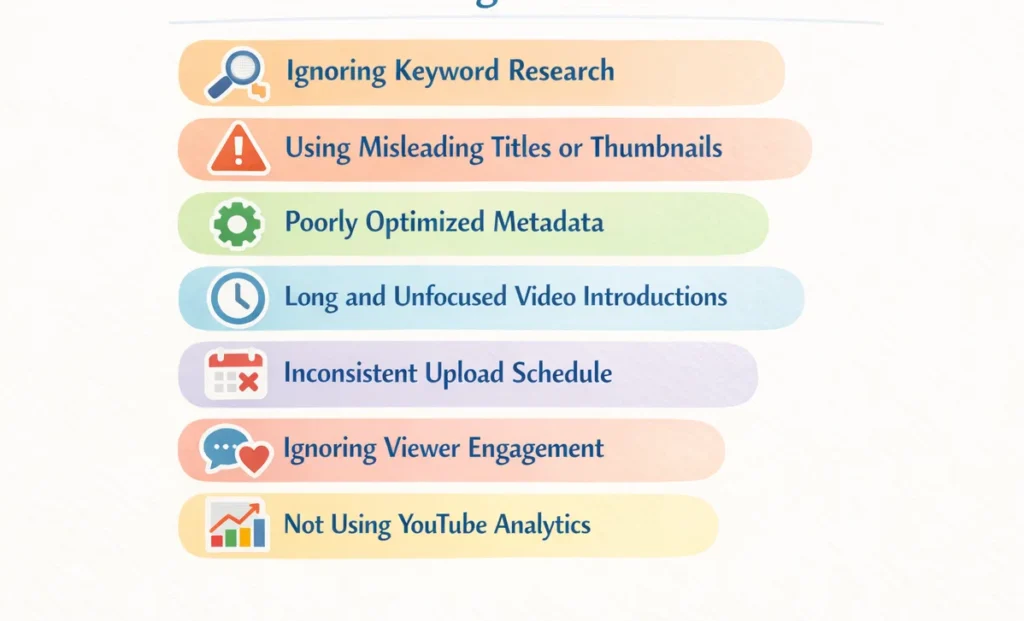
Even though creators follow many SEO practices, certain mistakes can prevent videos from performing well on YouTube. Understanding these common errors can help creators avoid problems that might reduce visibility, engagement and overall channel growth. By identifying and correcting these mistakes, creators can improve their chances of reaching a larger audience.
Ignoring Keyword Research
One of the most common mistakes are creating videos without researching what viewers are actually searching for. When creators choose topics without understanding search demand then their videos may not match the interests of the audience. Proper keyword research helps identify popular topics and make sure that the content aligns with real user queries.
Using Misleading Titles or Thumbnails
While attractive thumbnails and titles are important for gaining clicks, misleading viewers can harm a video’s performance and overall ranking. If viewers click on a video but quickly leave because the content does not match the title or thumbnail, audience retention will drop and will affect the content overall and also will give Low retention signals to the algorithm that the content may not be satisfying to viewers.
Poorly Optimized Metadata
Another common issue is neglecting or ignoring video metadata such as titles, descriptions and tags. If these elements are vague or there are missing relevant keywords, YouTube may struggle to understand the topic of the video. This can reduce the chances of the video appearing in search results or recommended feeds. This can drop the content overall in terms of visibility.
Long and Unfocused Video Introductions
Many creators lose viewers within the first few seconds of their videos because the introduction is too long or does not immediately capture the attention of the target audience. Since audience retention is an important ranking signal, failing to engage viewers early can negatively affect watch time and overall performance of the content.
Inconsistent Upload Schedule
Uploading videos irregularly can make it difficult to build a consistent audience. Channels that publish content regularly are more likely to gain or attract stronger viewer engagement and long-term growth. Consistency helps viewers know when to expect new content and strengthens the channel’s presence within a specific niche.
Ignoring Viewer Engagement
Some creators focus only on views and overlook the importance of audience interaction. Engagement signals such as likes, comments and shares signal that viewers find the content valuable. Not doing enough engagement can reduce the overall interaction level of a video and limit its overall potential reach.
Not Using YouTube Analytics
Another major mistake is not measuring or analysing performance data. YouTube provides detailed insights through its analytics tools, including metrics like watch time, audience retention and click-through rate. Ignoring these insights makes it harder to understand what works well and what needs improvement in future videos.
Conclusion
YouTube SEO plays an essential role in helping videos gain visibility in an increasingly competitive platform. With millions of videos being uploaded regularly, creators need to go beyond simply publishing content and focus on optimizing their videos so that YouTube can understand and recommend them to the right and relevant audience.
By applying key SEO practices such as proper keyword research, optimized metadata, engaging thumbnails and improving watch time and audience retention, creators can significantly improve their chances of ranking on YouTube. At the same time avoiding common mistakes and focusing on consistent, high-quality content helps build long-term channel growth.
Ultimately successful YouTube SEO is about combining smart optimization with valuable content that keeps viewers engaged. Creators who understand their audience and follow these practices will be better positioned to grow their presence and reach wider audiences on YouTube.
Important YouTube SEO Insights for Creators
Consistency matters more than quantity on YouTube. Uploading videos on a regular schedule whether weekly or biweekly helps the algorithm understand your channel activity and encourages viewers to return for new content.
Yes. Longer videos often produce more watch time which is a major ranking signal. However the main factor is keeping viewers engaged throughout the video rather than simply making it longer.
Hashtags help categorize videos and make them discoverable through hashtag searches. Using 10 –12 relevant hashtags related to your video topic is usually enough for better identification and discoverability.
YouTube SEO results can take a few days to several weeks, depending on competition, engagement and how well the video matches and aligns with the user search intent.
End screens and cards guide viewers to other videos or playlists on YouTube. They help keep viewers on the platform longer, increasing overall watch time and session duration.
In 2026, search is no longer just about ranking links, it’s about being selected, cited, and recommended by AI systems. Generative AI-powered search engines now answer questions directly, summarize sources, and guide user decisions without requiring a click.
According to industry studies, over 65% of searches are expected to end without a website visit by 2026, driven by AI overviews and answer engines. At the same time, more than 70% of users trust AI-generated answers for research, product comparison, and decision-making. This shift has fundamentally changed how brands gain visibility.
Traditional SEO tactics alone are no longer enough. AI models evaluate context, entities, topical depth, factual accuracy, and brand authority not just keywords and backlinks. If your brand is not structured in a way AI can understand and trust, it simply won’t appear in AI-generated answers.
At SEO Circular, we see Generative AI Optimization as the next evolution of search visibility. It’s about aligning your content, brand signals, and digital presence with how large language models interpret expertise and relevance. Brands that adapt now will dominate AI-driven discovery, while others risk becoming invisible even if they still rank on page one.
Key Takeaways
- Generative AI Optimization (GAIO) is about being cited and recommended, not just ranking
- AI search engines rely heavily on entity clarity and contextual trust
- Topical authority beats isolated, keyword-focused content
- Conversational and prompt-driven content performs best in AI answers
- Brand mentions and Digital PR influence AI visibility more than links alone
- Long-term consistency matters more than short-term SEO tactics
Struggling to Stay Visible in AI Search?
See how we help businesses adapt to generative AI search and build long-term authority beyond traditional SEO.
Learn How SEO Circular Optimizes for AI Search.
What Is Generative AI Optimization (GAIO)?
Generative AI Optimization (GAIO) is the process of optimizing your brand, content, and digital signals so AI-powered search engines can understand, trust, and recommend you in generating answers.
Unlike traditional SEO where the goal is to rank a webpage, GAIO focuses on becoming a reliable source for AI-generated responses. AI search systems don’t just scan keywords. They evaluate meaning, context, factual consistency, entity relationships, and authority across the web.
In simple terms, GAIO answers one critical question:
“Why should an AI model choose your brand as the best answer?”
At SEO Circular, we define GAIO as the intersection of:
- Entity-based optimization (brands, people, products, topics)
- Topical depth and clarity, not surface-level content
- Consistent brand mentions and citations across trusted sources
- Content structured for question-answer and conversational queries
GAIO also goes beyond websites. AI models learn from blogs, media mentions, reviews, documentation, PR coverage, and expert content. If your brand appears fragmented or inconsistent across these sources, AI engines hesitate to reference you.
This is why GAIO is not a replacement for SEO it’s an evolution of it. Strong technical SEO, high-quality content, and authority still matter, but they must now be aligned with how generative AI systems interpret knowledge.
Brands that invest in GAIO early don’t just gain visibility—they gain AI-driven trust, which is the real currency of search in 2026.
How Generative AI Search Engines Work in 2026
By 2026, generative AI search engines no longer function like traditional search systems that list blue links. They act as answer engines, powered by large language models that understand intent, context, and relationships between entities.
When a user asks a question, AI systems analyze multiple signals at once query intent, past user behavior, trusted data sources, topical authority, and real-world credibility. Instead of ranking pages, the AI synthesizes information from multiple sources and generates a single, consolidated response.
These systems prioritize:
- Clear entity identification (who you are, what you do, and why you matter)
- Factual accuracy and consistency across the web
- Depth over volume—comprehensive answers beat keyword-stuffed content
- Source reliability, including expert authorship and reputable mentions
AI models also learn continuously. Each interaction helps them refine which brands and sources are trustworthy. If your content is vague, outdated, or lacks authority signals, it gets ignored—even if it once ranked well on Google.
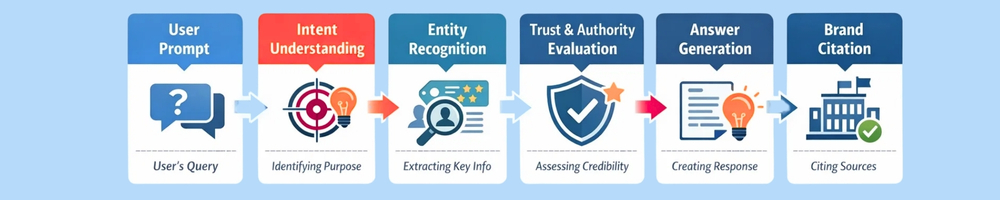
How Generative AI Search Engines Generate Answers
A simplified view of how AI systems interpret prompts, evaluate trust signals, and generate answers that cite authoritative brands.
Key Differences Between SEO and Generative AI Optimization (GAIO)
| Aspect | Traditional SEO | Generative AI Optimization (GAIO) |
| Primary Goal | Rank webpages on search engine results pages (SERPs) | Be referenced, cited, or recommended inside AI-generated answers |
| How Visibility Is Earned | Driven by keywords, backlinks, and page-level optimization | Driven by entity clarity, topical authority, and trust signals across the web |
| How Systems Decide | Search engines ask: “Which page ranks best?” | AI systems ask: “Which source is most reliable to answer this question?” |
| Traffic & Exposure | Focuses on driving clicks to websites | Often delivers brand exposure without a click through AI summaries and responses |
| Measurement Focus | Rankings, traffic, and click-through rates | Brand recall, authority, and presence inside AI-generated answers |
| Optimization Approach | Optimizes for search engine algorithms | Optimizes for language models that reason, summarize, and contextualize information |
| Content Requirements | Keyword relevance and on-page optimization | Clear explanations, factual depth, consistency, and contextual accuracy |
| Strategic Role | Foundational visibility channel | Visibility multiplier for AI-driven search |
| SEO Circular’s View | Core framework for discoverability | Strategic layer that amplifies trust and long-term AI visibility |
Optimizing Content for AI Answer Engines
Optimizing content for AI answer engines requires a shift from writing for rankings to writing for clarity, completeness, and trust. AI models favor content that directly solves a user’s question in a structured, factual, and easy-to-understand way.
Instead of long introductions or promotional language, AI engines prioritize clear definitions, step-by-step explanations, and concise insights. Content that answers who, what, why, and how in a single place is far more likely to be selected.
Key elements AI answer engines look for include:
- Well-defined entities (brand, product, industry terms)
- Context-rich explanations, not surface-level commentary
- Consistent facts and terminology across sections
- Natural language that mirrors conversational queries
AI systems also cross-check information across multiple sources. If your content contradicts widely accepted data or lacks supporting context, it loses credibility fast.
Entity Optimization: The Core of AI Visibility
In generative AI search, entities are everything. An entity can be a brand, company, product, person, or concept. AI models rely on entities to understand who is trustworthy and what they are known for.
If your brand is not clearly defined as an entity, AI systems struggle to place you in relevant answers—even if your content is strong. This is why entity optimization has become a core Generative AI Optimization technique in 2026.
Effective entity optimization means:
- Clearly defining who your brand is and what problem you solve
- Maintaining consistent brand descriptions across your website, PR coverage, and third-party platforms
- Connecting your brand to relevant topics, industries, and use cases
- Reducing ambiguity by avoiding mixed messaging or unclear positioning
AI models build knowledge graphs internally. When your brand appears repeatedly in the right context, AI starts associating you with specific expertise areas.
How Generative AI Search Engines Evaluate Brand Trust in 2026
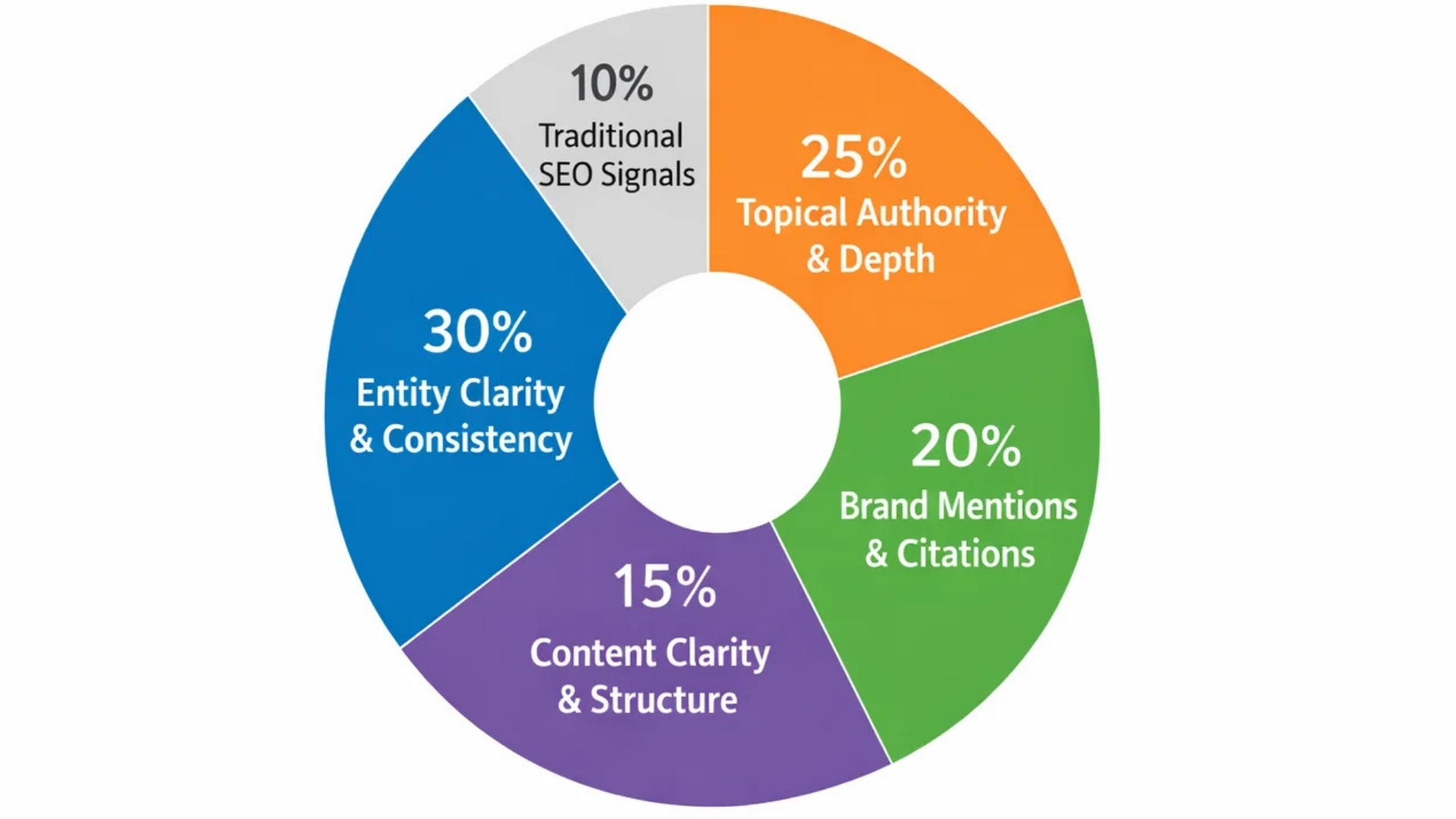
The pie chart below illustrates how generative AI search engines evaluate trust and select brands in 2026. Unlike traditional SEO, where
rankings and backlinks dominate, AI-driven search prioritizes entity clarity, topical authority, and brand credibility.
As shown, entity consistency and topical depth account for more than half of AI trust signals, while traditional SEO factors play a much smaller role. Brand mentions, citations, and content clarity also significantly influence whether a brand is cited inside AI-generated answers.
This visual highlights a critical shift: winning AI search is no longer about optimizing pages—it’s about building trust at the brand and knowledge level. Understanding these priorities helps brands focus their efforts on what actually drives visibility in AI-powered search experiences.
Topical Authority & Knowledge Graph Alignment
Topical authority is how generative AI systems decide who truly understands a subject. In 2026, AI doesn’t trust isolated articles—it trusts brands that consistently cover a topic in depth and from multiple angles.
When your content ecosystem answers related questions, explains subtopics, and uses consistent terminology, AI models begin mapping your brand into their internal knowledge graphs. This alignment helps AI understand not just what you say, but how deeply you know the topic.
Topical authority is built by:
- Covering core topics and supporting subtopics comprehensively
- Connecting concepts logically instead of publishing random content
- Updating content to reflect current data and trends
- Maintaining consistency in definitions, examples, and messaging
Generative AI prefers sources that show contextual continuity. One strong article helps, but a network of related, high-quality content builds trust faster.
Prompt-Driven Search & Conversational Query Optimization
Generative AI has changed how users search. Instead of short keywords, users now ask full questions, follow-ups, and multi-intent prompts. This shift has made conversational query optimization a critical Generative AI Optimization technique in 2026.
AI systems break prompts into intent layers—informational, comparative, and decision-driven. Content that matches these layers performs better than content written only for single keywords.
To optimize for prompt-driven search:
- Write content that answers questions naturally, as a human expert would
- Include follow-up explanations that anticipate the next question
- Use real-world examples, comparisons, and clarifications
- Structure content so answers appear early and clearly
AI engines favor content that feels like a conversation, not a blog post filled with SEO jargon. The clearer and more helpful your response, the more likely AI will reuse it in generated answers.
Brand Mentions, Citations & Digital PR for AI Search
In generative AI search, brand mentions matter as much as backlinks often more. AI models learn trust by observing how frequently and consistently a brand is referenced across credible sources.
Unlike traditional SEO, AI systems don’t rely solely on link equity. They analyze unlinked mentions, citations, expert quotes, media coverage, and contextual references to understand authority. If reputable publications repeatedly mention your brand in the right context, AI treats that as a strong trust signal.
Effective AI-focused digital PR includes:
- Mentions in authoritative industry publications
- Consistent brand descriptions across media outlets
- Expert commentary and data-backed insights
- Association with trusted topics and entities
AI also evaluates sentiment and relevance. Random mentions don’t help. Contextual mentions tied to your expertise do.
Optimizing for AI Overviews, SGE & Answer Engines
AI overviews and answer engines have become the primary visibility layer in search by 2026. Instead of ten blue links, users now see summarized answers generated from multiple trusted sources. If your brand isn’t optimized for these systems, you’re invisible at the moment decisions are made.
AI engines select content that is clear, factual, and immediately useful. They extract short explanations, definitions, comparisons, and steps—often without sending traffic back to the website.
To optimize for AI overviews:
- Provide direct answers early in the content
- Use simple language and unambiguous explanations
- Support claims with data, examples, or real-world context
- Maintain consistency across similar topics and pages
AI systems also favor brands that appear repeatedly across related queries. One optimized page helps, but consistent coverage across a topic area wins.
Measuring Generative AI Visibility & Performance
Measuring success in generative AI search requires a mindset shift. Traditional SEO metrics like rankings and clicks don’t fully reflect AI-driven visibility, especially when users get answers without visiting a website.
In 2026, brands need to track presence, citations, and influence inside AI-generated responses. This includes how often your brand is mentioned, quoted, or referenced across AI answer engines.
Key indicators we focus on include:
- Brand mentions in AI-generated answers
- Visibility across prompt-based and conversational queries
- Consistency of brand positioning in AI summaries
- Assisted conversions influenced by AI discovery
AI visibility measurement is less about volume and more about quality and authority. Being cited once in the right context can be more valuable than hundreds of low-intent clicks.
Common Mistakes Brands Make in Generative AI Optimization
One of the biggest mistakes brands make in Generative AI Optimization is treating it like traditional SEO. Keyword stuffing, thin content, and surface-level blogs may still rank—but AI systems rarely trust or cite them.
Another common issue is unclear brand identity. If your messaging, services, or expertise appear inconsistent across your website, PR mentions, and third-party platforms, AI models struggle to understand what your brand actually stands for.
Brands also fail by:
- Publishing content without topical depth or continuity
- Ignoring brand mentions and authority signals outside their website
- Over-promoting instead of educating
- Relying only on tools without validating how AI responds to real prompts
Many companies assume AI will “figure it out.” In reality, AI needs clear, repeated, and reliable signals to build trust.
Future-Proof Generative AI Optimization Strategies
Generative AI search will continue to evolve beyond 2026, but the foundations of visibility are already clear. Brands that focus only on short-term tactics will struggle as AI models become more selective and context-aware.
Future-proof GAIO strategies focus on durable signals, not quick wins. This includes building strong entities, consistent expertise, and long-term trust across the web.
Key strategies that will remain relevant include:
- Investing in deep topical authority, not isolated content
- Treating brand mentions and PR as core SEO assets
- Publishing expert-led, experience-driven insights
- Continuously updating content to reflect real-world changes
- Testing visibility directly inside AI tools and answer engines
AI models reward brands that behave like reliable knowledge sources, not marketers chasing algorithms. The more stable and consistent your signals, the more AI trusts you over time.
How SEO Circular Approaches Generative AI Optimization
At SEO Circular, we approach Generative AI Optimization as a business growth strategy, not a standalone SEO tactic. Our focus is on making brands understandable, credible, and preferred by AI-driven search systems.
We start by strengthening entity clarity—defining exactly who our clients are, what they do, and where they lead. From there, we build topical authority frameworks that align with how AI models organize knowledge. This ensures consistent visibility across multiple prompts, not just individual queries.
Our approach combines:
- AI-focused content architecture
- Entity and brand signal optimization
- Digital PR and authoritative mentions
- Prompt-based visibility testing and refinement
We integrate GAIO with enterprise SEO, content, and analytics so AI visibility translates into real business impact, not just exposure.
Because AI search evolves fast, we constantly test how brands appear inside generative answers and adapt strategies accordingly. This keeps our clients ahead as AI becomes the primary discovery layer.
Final Thought
Search in 2026 is no longer about who ranks first it’s about who AI trusts enough to recommend. Generative AI-powered search engines don’t scan pages; they interpret meaning, validate authority, and synthesize answers. If your brand is not structured for how AI understands expertise, it simply won’t appear—no matter how strong your traditional SEO looks.
Generative AI Optimization as the natural evolution of SEO. It shifts the focus from keywords to entities, topical authority, brand credibility, and conversational relevance. Brands that adapt early don’t just gain visibility—they become the default answers inside AI-driven discovery.
FAQs
Yes. Even websites that rank well can lose visibility in AI-driven search. Generative AI Optimization ensures our brand is trusted and cited inside AI-generated answers, not just listed in traditional search results.
Yes. AI search engines often display brand names, insights, and recommendations directly in answers. This improves brand recall, authority, and influence, even when users don’t click through to a website.
AI models evaluate trust using entity consistency, factual accuracy, topical authority, brand mentions across reputable sources, and contextual relevance rather than relying only on keywords or backlinks.
Industries like SaaS, B2B services, healthcare, finance, ecommerce, technology, and professional services benefit most, as users frequently rely on AI for comparisons, recommendations, and expert guidance.
Yes. AI prioritizes clarity, expertise, and authority over content volume. A smaller set of well-structured, expert-led content combined with strong brand signals can outperform high-volume publishing.
Brand mentions help AI models understand credibility and relevance. Consistent mentions across trusted publications reinforce authority, even when links are not present.
Generative AI Optimization works alongside SEO. SEO builds discoverability, while GAIO ensures our brand is selected, trusted, and cited inside AI-generated responses.
B2B lead generation is getting tougher as buyers expect faster responses and personalized engagement. Over 70% of B2B buyers now expect vendors to reply within 24 hours, and 82% prefer personalized outreach before considering a sales call. Traditional methods like manual research and cold outreach can’t keep up. They’re slow, inefficient, and often deliver weak results, with over 60% of manual outreach efforts resulting in no response.
AI changes this through automation research and improving targeting. Modern AI tools for B2B marketing give businesses data-driven insights that build stronger pipelines. Companies using AI for lead research report a 40–60% reduction in time spent on manual tasks and up to 35% higher lead qualification accuracy.
This is where Perplexity AI for business excels. It uses advanced NLP and real-time data to speed up research and B2B lead generation. With automated workflows and instant access to insights, teams generate leads faster and more accurately, helping sales teams improve productivity by up to 50%.
Key Takeaways
- AI makes B2B lead generation faster, more accurate, and more personalized.
- Perplexity AI helps identify high-quality prospects using real-time data and smart research.
- AI-powered insights improve targeting, reduce manual work, and boost team productivity.
- Personalized outreach becomes easier with automated prospect insights.
- Strong prompts lead to better research, smarter decisions, and higher-quality leads.
- Integrating Perplexity AI with CRM and enrichment tools improves data accuracy and conversion potential.
- Businesses using AI early gain a major advantage in pipeline growth and revenue.
Using AI-driven B2B leads, your sales team will be able to:
- Find suitable leads more quickly
- Focus on the right accounts with greater precision
- Send personalized messages in large volumes
- Shift from reactive marketing to proactive growth
With less effort and better results, Perplexity AI helps you find the proper decision-makers. It simplifies complex research into straightforward, practical insights, thereby assisting your business in developing more potent pipelines and gathering large numbers of qualified leads.
What is Perplexity AI?
Perplexity AI is an incredibly advanced tool that supports research and automation. It is powered by natural language processing, which is the reason behind its ability to deliver fast and reliable insights.
Thus, the automatic gathering of accurate information, the analysis of market trends, and the gaining of understanding of prospects are the most important activities in which businesses rely upon using the tool to conduct research. This feature makes it an excellent choice for B2B lead generation and the contemporary sales process.
Perplexity works like an intelligent research assistant. You ask a question, and it pulls real-time data from trusted sources, summarizes insights, and presents clear answers. This capability gives your team a smarter and faster way to identify opportunities, qualify leads, and understand your market.
Role of AI in B2B Lead Generation
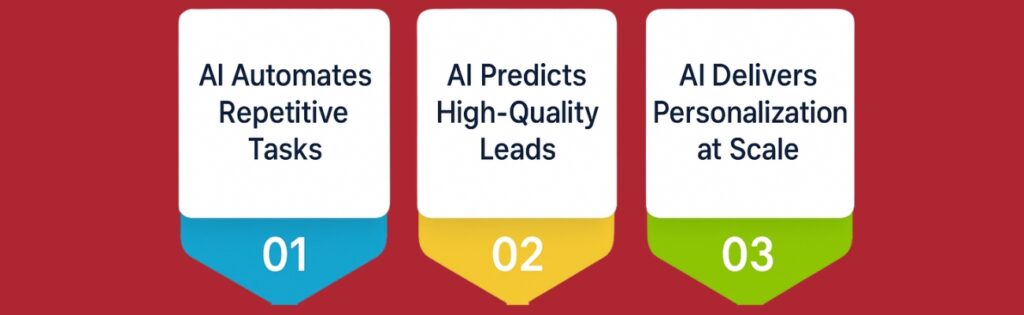
Artificial intelligence is reshaping the way businesses generate and qualify leads. Modern B2B teams rely on AI to speed up research, improve targeting, and reduce the time spent on manual tasks. With tools like perplexity, companies can build stronger pipelines and reach high-value accounts with greater accuracy.
AI Automated Repetitive Tasks
AI takes over time-consuming tasks such as data entry, prospect research, and market tracking. This gives your sales and marketing teams more time to focus on strategy, relationships, and revenue growth. By reducing manual work, AI tools create a cleaner workflow and faster results.
AI Predicts High-Quality Leads
AI uses historical data and behaviour patterns to identify which prospects are most likely to convert. This predictive capability helps you focus on leads with real potential, improving the efficiency of your B2B lead generation process.
AI Delivers Personalization at Scale
Modern buyers expect relevant communication. AI makes this possible by analyzing data points and helping your team send the right message at the right time. This creates strong engagement and supports AI-powered B2B leads.
Key Benefits For B2B Teams:
- Higher efficiency and faster research
- Smarter targeting with real-time insights
- Better ROI across marketing and scale campaigns
- Improved accuracy in lead qualification
AI gives B2B teams a competitive edge. It turns unstructured data into clear, actionable insights and helps businesses run Perplexity AI lead generation workflows that deliver consistent results.
Benefits of Using Perplexity AI for B2B Lead Generation
Perplexity AI gives the B2B team a faster and smarter way to identify and qualify leads. It reduces manual research, improves targeting, and brings real-time insights into your sales and marketing workflows. This makes it a powerful engine for Perplexity AI lead generation.
Faster Market Research and ICP Insights
Perplexity AI is there to assist you in sharpening your Ideal Customer Profile (ICP) through very reliable and data-driven insights. The staff will be able to easily get the gist of the industry, the customers’ requirements, and the changes in the market that are of interest. This will result in B2B lead generation strategies that are more potent and precise.
Automated Lead Discovery at Scale
With Perplexity, you can automate the entire research process. It finds potential accounts, filters prospects, and highlights opportunities without manual efforts. This automation helps businesses generate qualified AI-powered B2B leads at scale.
Data-Backed Decision-Making
Perplexity AI analyzes real-time data from trusted sources. It gives your team reliable information to support purchasing decisions, campaign planning, and outreach strategies. This ensures every decision is driven by facts, not assumptions.
Improved Personalization in Outreach
Perplexity AI creates relevant and personalized insights for each prospect. You can use these insights to write targeted emails, LinkedIn messages, and sales pitches. This increases engagement and improves the overall success of your Perplexity AI for business workflow.
Improve Personalization in Outreach
Perplexity AI creates relevant and personalized insights for each prospect. You can use these insights to write targeted emails, LinkedIn messages, and sales pitches. This increases engagement and improves the overall success of your Perplexity AI for business workflows.
Enhanced Productivity Across Teams
By automating research and analysis, Perplexity AI frees your team to focus on high-value tasks like closing deals and building client relationships. This leads to faster workflows and better alignment between marketing and sales.
Perplexity AI turns complex research into simple and actionable insights, helping your team generate consistent, high-quality leads.
How Perplexity AI Helps Identify High-Quality B2B Leads?
Perplexity AI helps businesses find high-quality leads faster by analyzing real-time data and delivering insights that match your ideal customer profile. It strengthens your B2B lead generation process and ensures your team focuses on accounts with genuine potential.
Use Perplexity AI to Define and Refine Your ICP
Perplexity AI evaluates industry trends, company sizes, budgets, technologies, and buyer behaviour. It helps you refine your ICP continuously, making your targeting more accurate. This gives you a strong foundation for effective Perplexity AI lead generation.
Find Companies That Match Your Target Segment
You can use Perplexity AI to search for businesses that fit your ICP. It identifies companies with the right characteristics and highlights accounts that are likely to convert. This speeds up your lead discovery and improves the quality of your AI-powered B2B leads.
Extract Firmographic and Technographic Data
Perplexity AI gathers firmographic data like revenue, location, and employee size, along with technographic details such as tech stack and tools used. This information helps you qualify leads quickly and understand whether they are a good fit for your offer.
Conduct Real-Time Competitor and Market Analysis
Perplexity AI tracks your industry, competitors, and emerging trends. It identifies market gaps, demand signals, and new opportunities. This insight helps you target accounts at the right moment and strengthens your AI tools for a B2B marketing strategy.
Perplexity AI gives you the clarity and confidence to focus on leads that match your ideal buyer’s profile, reducing guesswork and improving conversion potential.
Step-by-Step Guide to Generate B2B Leads with Perplexity AI
Perplexity AI helps your business discover leads faster and create smarter outreach campaigns. Follow these steps to build a strong B2B lead generation workflow:
Build Your Ideal Customer Profile (ICP)
Utilize perplexity AI to identify the industries, company sizes, revenues, and technology usage that align with your top customers. This provides you with solid directions for Perplexity AI lead generation, preventing wasted effort on unqualified prospects.
Discover Companies That Match Your ICP
Search for relevant companies using Perplexity’s advanced research features. Collect details on each business and identify key decision-makers. This helps you build a list of high-potential AI-powered B2B leads.
Automate Lead Research and Insights
Create a workflow in the Perplexity AI that continuously tracks competitor activity, market shifts, and buyer signals. This automation ensures your team receives fresh lead opportunities and strong market intelligence without manual effort.
Personalize Your Outreach
Use Perplexity AI insights to write a stronger message. Create personalized emails, LinkedIn outreach, and pitch scripts that speak directly to each prospect’s needs. This level of personalization improves engagement and strengthens the AI tool for B2B marketing.
Score and Prioritize Leads
Evaluate leads based on fit, interest, and buying readiness. Focus on accounts with clear intent signals. These are the leads most likely to convert. Perplexity AI makes this scoring faster and more accurate, boosting the success of Perplexity AI for business lead workflows.
Best Practices to Get Quality B2B Leads from Perplexity AI
Your results depend on the quality of your prompts. When you ask clear questions, Perplexity AI delivers better data, deeper insights, and more accurate AI-powered B2B leads. Below are easy-to-use prompt examples your sales and marketing teams can use today.
Prompt to Discover New Leads
These prompts help you find companies that match your Ideal Customer Profile (ICP) and show intent:
- List SaaS companies in North America with 50–200 employees that recently raised funding.
- Find manufacturing companies that are currently hiring for IT roles and might need digital transformation solutions.
These prompts help you identify companies that match your ICP and show real buying signals, a strong win for B2B lead generation.
Prompts to Identify Decision-Makers
These prompts help you find key people who influence buying decisions:
- Who are the top IT directors at mid-size cybersecurity companies in Europe, and what are their LinkedIn profiles?
- Provide contact insights for CFOs in logistics companies with $50M+ revenue.
Your outreach becomes more precise and delivers faster conversions. This gives your team accurate buyer intelligence and helps you build targeted outreach lists.
Prompt to Personalize Outreach
Perplexity AI for business makes personalization simple and fast:
- Summarize the recent achievements of {Company Name} and suggest their current challenges.
- Write a short outreach message for CTOs in fintech companies who want faster product delivery.
Personalized messaging drives higher conversions when using AI tools for B2B marketing.
Prompt for Competitive Intelligence
Use competitive insights to position your brand as the better choice:
- Compare {Competitor A} and {Competitor B} product positioning in the enterprise CRM market.
- What complaints do customers share about {Competitor} on review sites?
These insights help your team improve messaging and highlight stronger value.
Prompts for Lead Intent and Scoring
These prompts help you target prospects ready to buy:
- Identify companies searching for AI automation tools in the last 60 days.
- Find businesses that expanded into new regions and may need operational support.
Stronger intent signals = more qualified Perplexity AI lead generation opportunities.
How to Measure KPIs AI-powered B2b Leads?
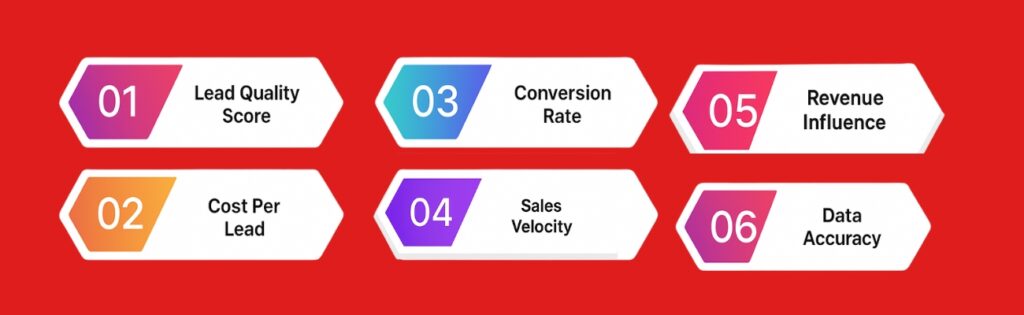
To grow smarter, your sales and marketing team must track the right numbers. When you use Perplexity AI for business, these KPIs show how well your B2B lead generation efforts are performing.
Lead Quality Score
Measure how well each lead matches your ICP, industry, budget, and intent signals. Strong perplexity AI leads generation delivers with real buying interest and higher chances of conversion.
Cost Per Lead (CPL)
Track the cost of every captured lead. Perplexity AI for business reduces manual tasks, improves targeting accuracy, and helps you lower CPL while maintaining high-quality B2B lead generation.
Conversion Rate
Measure how many leads take action, like booking a meeting or requesting demos. AI-powered B2B leads convert faster because outreach becomes personalized, relevant, and aligned with real business needs.
Sales Velocity
Review the speed at which leads move through the sales pipeline. When Perplexity AI finds interested prospects, sales cycles shorten, driving faster revenue and stronger team productivity.
Revenue Influence
Analyze how much pipeline and revenue come from Perplexity AI lead generation. This confirms the financial impact of AI tools for B2B marketing and supports smarter budgeting decisions.
Data Accuracy
Verify that lead and company information remains correct, updated, and useful. AI reduces outdated data, improves decision-making, and prevents your team from wasting time on bad prospects.
Common Mistakes to Avoid When Using Perplexity AI
Even the best AI tools for B2B marketing need the right approach. Avoid these common mistakes to get better results from Perplexity AI lead generation:
Using Generic Prompts
If prompts are vague, the output becomes broad and irrelevant. Always include filters such as industry, location, revenue, tech stack, and buying signals to generate high-quality AI-powered B2B leads.
Not Verifying AI Results
AI can make assumptions. Cross-check important data like contact roles, company size, and funding status. Verification protects your team from wasted outreach and low-quality B2B lead generation.
Failing to Integrate Insights with Your CRM
If you don’t sync results with your CRM, insights get lost. Integrating Perplexity AI with platforms like HubSpot or Salesforce ensures smarter lead tracking and faster follow-ups.
Ignoring Personalization in Outreach
Prospects ignore generic messages. Use Perplexity AI to personalize emails based on buyer needs, pain points, and recent updates. This boosts conversions and improves pipeline efficiency.
Tools to Combine with Perplexity AI for Stronger Lead Generation
Perplexity AI becomes more powerful when you combine it with the right marketing and sales tools:
CRM Platforms
To assist your team in storing lead information, scoring AI-driven B2B leads, and monitoring sales performance from discovery to conversion, tools such as HubSpot, Salesforce, and Pipedrive are available.
LinkedIn Sales Navigator
It is used to verify the decision-makers, improve the profiles, and communicate with the prospects directly. It not only improves your audience targeting but also opens the door for high-intent outreach.
Email Automation Tools
Mailchimp, Outreach, or Lemlist are some of the platforms that help you unveil and send personalized campaigns to a large number of people at the same time. You remain visible, consistent, and important during the whole buying process.
Data Enrichment Tools
While ZoomInfo, Apollo, and Lusha strengthen accuracy by verifying contact information and adding buyer insights, data enrichment is unavoidable for productive Perplexity AI lead generation.
Manual Lead Gen vs Perplexity AI
| Activity | Manual Lead Generation | With Perplexity AI |
|---|---|---|
| Lead research | 2–3 hours per list | 5–10 minutes |
| Finding decision-makers | Time-consuming | Instant, accurate |
| Personalization | Basic, limited | Deep insights at scale |
| Data accuracy | Often outdated | Real-time verified data |
| Market insights | Requires multiple tools | Single-source intelligent summary |
| Lead scoring | Mostly guesswork | Data-backed intent signals |
Future of AI in B2B Lead Generation In 2026
AI will soon transform B2B lead generation even further:
- AI agents will automatically discover, qualify, and route leads 24/7.
- Predictive intent models will identify buyers months before outreach.
- Hyper-personalized content will be generated instantly for each prospect.
- Voice-based research tools will replace manual data searches.
- Full-funnel automation will reduce manual workload by over 70%.
Scale Your B2B Lead Generation Faster with SEO Circular
Perplexity AI gives you powerful data, but you need the right strategy to turn those insights into revenue. That’s where SEO Circular helps you grow.
We use advanced SEO, content marketing, and AI-driven outreach strategies to attract high-intent buyers and improve your pipeline. Our team builds search-focused campaigns that bring consistent traffic and qualified B2B leads to your business.
Why B2B Brands Choose SEO Circular?
- We align SEO with sales goals to increase revenue impact
- We build keyword strategies that drive enterprise decision-makers
- We optimize content for better rankings and product discovery
- We help you integrate AI tools for smarter marketing
- We deliver measurable ROI and transparent reporting
With us, your marketing team gets more than leads. You get predictable business growth.

Conclusion
Perplexity AI transforms B2B lead generation by helping companies find high-quality prospects faster, personalize outreach at scale, and make smarter decisions with real-time insights. With the right prompts and workflows, you can discover new markets, target ideal buyers, and accelerate your sales pipeline.
As AI tools for B2B marketing continue to grow, businesses that adopt them early will gain a major competitive advantage. If you want to scale your pipeline and improve conversion rates, now is the right time to leverage Perplexity AI for business.
Start applying these strategies today and unlock a steady flow of AI-powered B2B leads that fuel long-term growth. Let AI do the heavy lifting, so your sales team can focus on closing deals.
Faqs
Yes, small teams benefit the most because Perplexity reduces research time, automates insights, and speeds up lead identification without needing large resources.
You should refresh them monthly or whenever your target market changes to maintain accurate and relevant AI insights.
Absolutely. It helps identify target accounts, gather firmographics, analyze competitors, and personalize messaging for each segment.
Yes, it can generate summaries, pain points, industry insights, and personalized points that help craft stronger email and LinkedIn messages.
It provides a single source of real-time data, helping both teams make decisions based on the same insights—improving coordination and reducing miscommunication.